Selling Without the Storefront Commitment
Consignment in Truly Treasured Gift n Thrift Inc for items you want sold without managing the transaction yourself
Bringing items to a consignment arrangement means the shop handles pricing, display, customer interaction, and sales while you retain ownership until the item moves. Truly Treasured Gift n Thrift Inc accepts select items on consignment, evaluating each piece based on condition, demand, and how well it fits current inventory needs. You'll discuss terms directly with the owner, including how revenue splits, what happens if the item doesn't sell within a set timeframe, and whether your particular items align with what the shop currently accepts.
Consignment works best for items with resale value that exceed typical donation quality—furniture in good repair, collectibles with documented demand, vintage décor that appeals to current trends, or specialty goods that require informed pricing. The shop determines whether your items meet acceptance criteria during an initial conversation, which also covers logistics like drop-off timing, contract duration, and payment structure.
Contact the owner to begin the consignment discussion and confirm whether your items qualify for the program.
What Happens Once Items Are Accepted
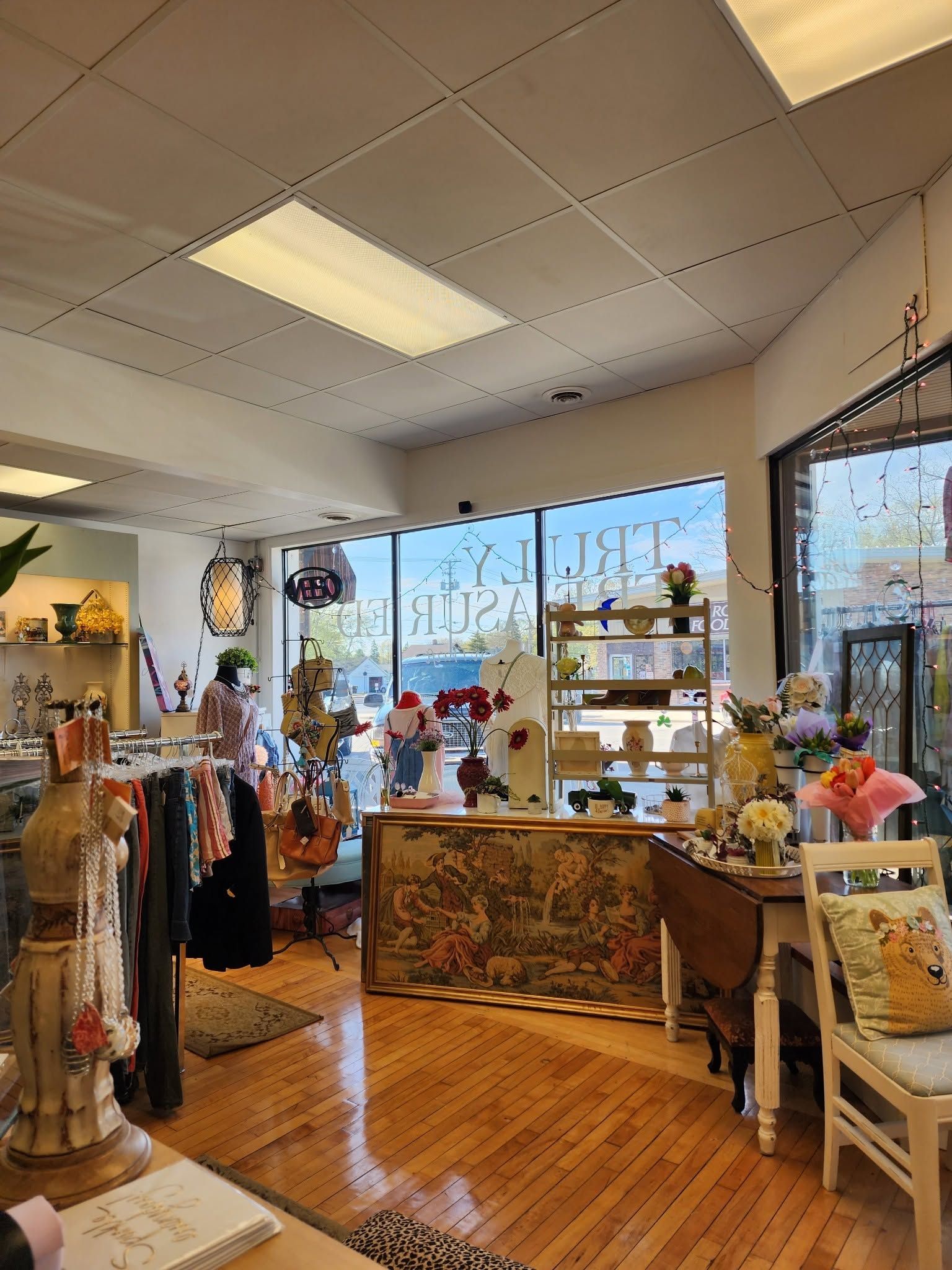
Accepted items are priced based on market research, condition assessment, and the shop's understanding of what similar goods have sold for recently. You'll receive a consignment agreement that outlines the split percentage, the length of time the item will remain on the floor, and what occurs if it doesn't sell by the contract end date. The shop displays your items alongside its regular inventory, exposing them to foot traffic that already visits for thrift and vintage finds.
Once your item sells, you receive your agreed-upon portion of the sale price according to the payment schedule outlined in your contract. The shop handles all transaction details, including customer questions, negotiations, and payment processing, so you avoid the effort of listing, photographing, and shipping that comes with self-managed online sales. If an item doesn't sell within the consignment period, you'll arrange pickup or discuss alternative options like price adjustment or extended listing.
The owner evaluates each consignment request individually because inventory needs shift with seasonal demand, current stock levels, and customer trends. Not all items are accepted, and some categories may be temporarily closed to new consignors based on available floor space and sales velocity.
What Consignors Typically Ask
Since consignment arrangements vary by item type and current shop needs, speaking with the owner directly ensures you understand whether your goods fit the program and what terms apply.
What types of items does the shop accept on consignment?
The shop prioritizes furniture, collectibles, vintage décor, and specialty goods that hold resale value and appeal to its customer base, though acceptance depends on current inventory levels and item condition.
How is the consignment split determined?
The revenue split between consignor and shop is discussed during the initial conversation and depends on factors like item category, pricing expectations, and how much effort the shop anticipates in selling the piece.
What happens if my item doesn't sell?
Consignment contracts specify a timeframe, and if the item remains unsold by the end date, you'll arrange pickup, agree to a price reduction, or extend the listing under revised terms.
How do I get paid once my item sells?
Payment schedules are outlined in the consignment agreement, with most arrangements issuing payment within a set number of days after the sale is completed and processed.
Can I drop off items anytime, or do I need an appointment?
Contacting the owner before bringing items ensures the shop is prepared to evaluate your goods and discuss consignment terms, rather than arriving unannounced with items that may not be accepted.
Truly Treasured Gift n Thrift Inc tailors consignment agreements to each situation, so reaching out to the owner starts the conversation about whether your items are a good fit and what the process involves.